
Building a Team for the Game of Life
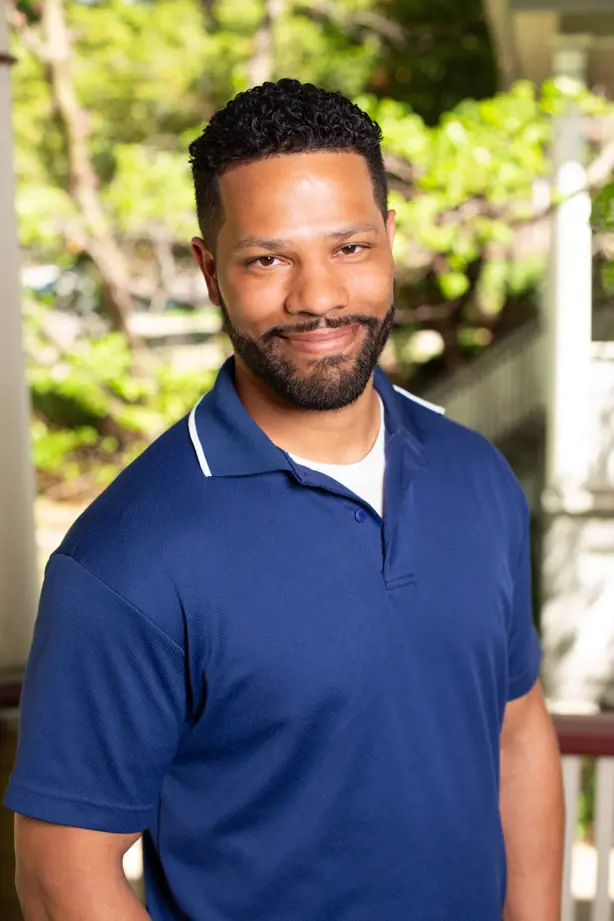
by Ryan Edwards, LCPC
What is the purpose of sports?
For some, it's enjoyment. For others, it's competition, identity, discipline, or connection. Sports can build life skills, develop relationships, or earn recognition. Sometimes it's simply a release. The "why" rarely stays the same from person to person, and that variability matters.
Having competed across multiple levels, I've seen this firsthand. I've navigated pressure, challenge, triumph, and failure. Each environment demanded adaptation and brought a new set of puzzles to solve. Sometimes that meant working through politics within a team or organization, navigating diverse personalities, or adapting goals that didn't initially align. Alongside these external dynamics, my own "why" evolved as I matured. In high school, basketball was an outlet for my never-ending energy and emotion. As a professional, it became financial stability and new cultural experiences. Now, as a coach, my “why” is community, and my focus centers on the athletes’ growth and support needs. Each phase offered a different lens on the “why” and purpose of sports.
But no matter the phase, one thing stayed constant: where there is investment, there is pressure. For student athletes, that pressure can come from family, injuries, team dynamics, social media, performance outcomes, heritage or a deeply rooted personal dream. Along the journey athletes encounter success, failure, growth, and setbacks, often in rapid cycles. That pace alone can make this one of the most intense environments a person will experience. Who navigates that perfectly? No one. This is the reason long, successful careers often come with dynamic support systems surrounding them.
As this experience rarely impacts the athlete alone, families feel it, coaches feel it and support systems feel it. This reveals a broader truth: life is not an individual sport, but a team sport with individual, collaborative performances.
So how do we support someone within this complexity?
There's no single "right" answer. Athletes need a range of support, and those needs can shift over time. Support can come from coaches, sports psychologists, licensed therapists, mentors, or others with lived experience. Each person plays a unique role, with the most successful systems being holistic, collaborative, and individualized.
For those looking for a starting point, therapy can offer a strong foundation.
Therapists are trained to help individuals explore both surface-level challenges and uncover underlying variables influencing unwanted results. What may appear as a performance issue, a lack of motivation, or emotional reactivity can connect to something deeper—like anxiety, identity, pressure tolerance, or unmet needs.
Through the therapeutic process, athletes can gain self-awareness, emotional regulation, and cognitive strategies. These tools can support performance on and off the field of play. Beyond these tools, therapy also offers them a safe space to process their experiences without bias, clarify their values, and build resilience that supports their overall personal growth and development.
This kind of care can also work well alongside other support. Therapists may collaborate with or refer to specialized providers such as sports psychologists or performance coaches, adding another layer to the system around them. This collaboration ensures growth is nurtured from multiple directions, and that it stays as dynamic as the person receiving it.
Ultimately, supporting an athlete is not about choosing the “perfect” resource. It’s about meeting them where they are, understanding their experience, and building a team that grows with them—for the game of life.